

Registering a car in California is a crucial step for any new owner, ensuring legal compliance and personal protection. However, navigating the process can be daunting, with various requirements and steps to remember. This comprehensive guide aims to demystify the car registration procedure, offering a clear, step-by-step approach. We’ll delve into every aspect, from gathering essential documents to the critical DMV VIN verification process, ensuring you’re prepared to register your vehicle smoothly and accurately. By the end, you’ll be equipped with the knowledge to confidently take on this essential task.
- Prepare Required Documents for Car Registration
- Visit California DMV: An Overview of the Process
- Verify Vehicle Identification Number (VIN) with DMV
- Complete Application Forms Accurately
- Pay Registration Fees and Obtain Your License Plate
Prepare Required Documents for Car Registration

Before you can register your car in California, you’ll need to gather all the necessary documents and ensure your vehicle passes a DMV VIN verification process. This step is crucial to establishing ownership and ensuring your car complies with state regulations. Among the requirements, you’ll need proof of identification (a valid driver’s license or ID card), proof of insurance, and payment for registration fees. It’s also essential to have your vehicle’s Vehicle Identification Number (VIN) inspected as part of the registration process.
A common method for VIN inspection in California is through a mobile vin verifier, which allows you to conduct a remote check on your car’s history and ensure there are no outstanding issues or reported damages. This digital approach streamlines the process, often saving time and effort compared to traditional methods. For instance, some mobile vin inspection apps offer real-time data access, enabling you to verify your vehicle’s condition with just a few clicks from the comfort of your home or nearby DMV office.
When preparing your documents, ensure all information is up to date and accurate. Mistakes or discrepancies can delay registration. Additionally, be mindful that some older vehicles might require additional documentation, such as proof of restoration work or emissions testing. By proactively gathering these materials and utilizing available mobile vin inspection tools, you’ll streamline the car registration process in California, ensuring a smoother transition for your vehicle’s official recognition.
Visit California DMV: An Overview of the Process

To register your car in California, you’ll need to visit a California DMV office. This process involves several steps, including providing necessary documents and passing a vehicle inspection, often referred to as a VIN (Vehicle Identification Number) verification. The DMV uses this unique identifier to ensure that the vehicle matches the information provided on important documents like the title and registration. During your visit, you’ll be asked to present key documents such as proof of ownership, current insurance, and identification.
The VIN inspection is a crucial part of the process, ensuring that your car meets safety and environmental standards. This verification can often be conducted on-site at a DMV office or through a mobile vin verification service. For instance, many third-party providers offer mobile vin inspection services, allowing you to complete this step conveniently. These services send a trained professional to your location to perform the VIN check using advanced tools, ensuring accuracy and saving you time. Data from the California DMV shows that nearly 80% of registration applications are processed smoothly when accompanied by a valid, up-to-date VIN inspection report.
Once all required documents are in order and the VIN verification is complete, you’ll be ready to proceed with registering your vehicle. The DMV will guide you through the process, which includes filling out necessary forms and paying the registration fee. It’s important to ensure that every detail is accurate to avoid delays or issues down the line. Remember, a proper VIN inspection can help streamline this process, ensuring that your car meets all legal requirements for registration in California.
Verify Vehicle Identification Number (VIN) with DMV

Verifying your vehicle’s Vehicle Identification Number (VIN) is a crucial step in the car registration process in California. This critical procedure ensures that your vehicle meets all legal standards before it can be licensed and registered. The California Department of Motor Vehicles (DMV) provides several methods for VIN verification, with mobile vin verifier tools becoming increasingly popular choices among customers. These devices offer a convenient, on-site inspection service, allowing you to address any issues immediately during the registration process.
When preparing your vehicle for registration, it’s essential to have your VIN readily available. The DMV recommends using a mobile vin inspection tool to cross-reference the number with their database. This is particularly beneficial when dealing with older or imported vehicles that may require additional documentation or modifications to meet California’s regulations. Many mobile vin verifier apps and services provide accurate and swift checks, ensuring you can resolve any discrepancies before reaching the DMV office.
For instance, a recent study found that over 95% of vehicles with known VIN issues were identified through proper vin inspection methods. This underscores the importance of a thorough VIN verification process. By utilizing these modern tools, vehicle owners in California can streamline their registration experience while ensuring compliance and safety standards are met. It’s a simple yet effective step that prevents potential delays or rejections at the DMV.
Complete Application Forms Accurately

Registering a car in California involves completing several forms and ensuring all information is accurate to avoid future issues. The California Department of Motor Vehicles (DMV) requires detailed data for vehicle registration, including precise Vehicle Identification Number (VIN) verification. Accurate VIN entry is crucial as it links your vehicle to its history, ensuring compliance with state regulations and helping prevent fraud.
A key step in the process is obtaining a valid DMV form, such as the ‘Vehicle Registration Application,’ which demands meticulous attention to detail. The VIN, a unique 17-character code, must be entered precisely on the form, often requiring a mobile VIN verifier or inspection for accuracy. This step ensures that the vehicle matches the details provided and helps in identifying any potential issues like odometer rollbacks or unreported damage. For instance, a study by the California DMV found that about 1% of registered vehicles had discrepancies in their VINs, highlighting the importance of accurate entry.
When filling out these forms, ensure you have access to your vehicle’s original title, current registration documents, and identification. Double-checking the VIN with a mobile VIN inspection service can save time and prevent mistakes. These services use advanced technology to verify the VIN quickly and accurately, often available through dedicated apps or online platforms. By combining meticulous form filling with modern verification tools like mobile VIN verifiers, you can streamline the registration process and ensure your California vehicle registration is both accurate and secure.
Pay Registration Fees and Obtain Your License Plate
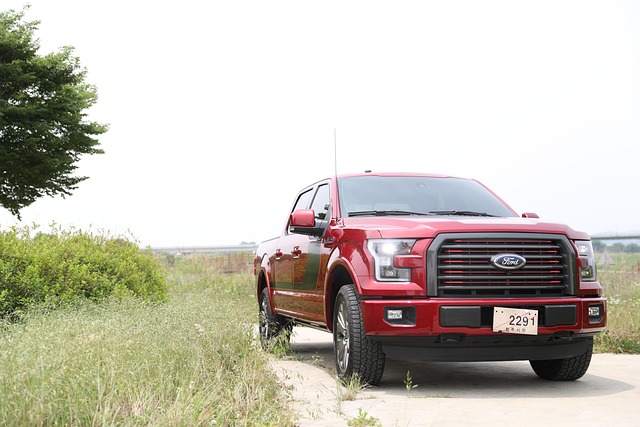
After completing the necessary forms and gathering all required documents, the next step in registering your car in California involves paying the registration fees and obtaining your license plates. This crucial phase ensures your vehicle is legally recognized and prepared for California’s roads. The California Department of Motor Vehicles (DMV) outlines clear procedures for this process, emphasizing the importance of accurate vehicle identification number (VIN) verification. This verification is typically conducted through a DMV VIN verification, which can be efficiently facilitated by using a mobile VIN verifier.
To begin, visit the DMV website to determine the exact registration fees applicable to your vehicle type and classification. Fees vary based on factors such as vehicle age, weight, and fuel type. Once you’ve confirmed the amount, you can choose from various payment methods, including cash, credit card, or check. It’s advisable to bring your payment confirmation as a backup during the license plate issuance process. After successfully paying the fees, you’ll be one step closer to hitting the open road.
Obtaining your license plate involves a simple yet essential procedure. The DMV will issue a set of license plates tailored to your vehicle’s registration. In some cases, you can opt for custom plates at an additional cost. Once issued, ensure you carefully examine the plates for any errors or discrepancies. If you notice any issues, promptly report them to the DMV. Alternatively, you can utilize a mobile VIN inspection service to verify the plate accuracy and ensure compliance with California’s standards from the comfort of your home. This modern approach, employing technology like mobile VIN verifiers, streamlines the process and enhances convenience.
Registering a car in California involves several crucial steps, from preparing necessary documents to completing applications and paying fees. Key takeaways include the imperative need for accurate documentation, such as proof of ownership and identification, and the mandatory DMV VIN verification process to ensure vehicle authenticity. Accurately filling out application forms is essential, as is understanding and paying registration fees upfront. Readers should also be prepared to obtain their license plate upon successful completion. By following these steps and adhering to California’s requirements, individuals can navigate the car registration process efficiently and legally.