

Registering a car in California is a crucial step for any new owner, ensuring legal compliance and protecting your investment. However, navigating the process can be challenging, with various requirements and paperwork involved. This comprehensive guide aims to demystify the registration procedure, offering step-by-step instructions tailored to the Golden State’s regulations. We’ll delve into essential aspects like title transfer, emissions testing, and, importantly, VIN verification to ensure a seamless experience. By following these expert tips, you’ll be well-prepared to register your vehicle efficiently and with confidence.
- Understanding California Car Registration Requirements
- Gathering Necessary Documents for Registration
- Locating Your Vehicle's VIN for Verification
- Choosing an Approved Registration Agent or DMV Visit
- Completing the Registration Process and Obtaining Plates
Understanding California Car Registration Requirements

Registering a car in California involves more than just filling out paperwork; it requires an understanding of stringent state regulations designed to ensure vehicle safety and consumer protection. At the heart of this process lies the Vehicle Identification Number (VIN) verification, a critical step that guarantees the authenticity and history of your vehicle. Unlike some states, California mandates a thorough VIN inspection as part of the registration procedure, ensuring that every car on its roads meets established safety and emissions standards.
The process begins with gathering essential documents, including the title, which serves as proof of ownership. However, before submitting these papers, you must undergo a meticulous VIN verification process. This involves providing your vehicle’s unique 17-character VIN to the California Department of Motor Vehicles (DMV). Through advanced systems, the DMV can then conduct a comprehensive check on the vehicle’s history, including any accidents, outstanding loans, or reported thefts. Modern technologies, such as mobile VIN inspection tools, offer convenience by enabling this verification to be performed swiftly and efficiently, even at your location.
To ensure compliance, it’s crucial to have accurate and up-to-date information about your vehicle. Mistakes in documentation can lead to delays or rejection of your registration application. For instance, an incorrect VIN entry during the initial submission may trigger a failure in the system, prompting you to start the process anew. To avoid such pitfalls, consider employing mobile VIN verification services that offer real-time feedback and corrections, ensuring a seamless transition through California’s stringent registration requirements.
Gathering Necessary Documents for Registration

Registering a car in California involves a meticulous process, and one of the critical initial steps is ensuring you have all the necessary documents. This phase is often overlooked but is a cornerstone of a successful registration. The primary identifier for any vehicle, the Vehicle Identification Number (VIN), plays a pivotal role in this documentation. It’s crucial to verify your VIN through official channels to ensure authenticity and avoid potential issues.
Gathering these documents requires diligence and attention to detail. Start by obtaining the title, which is a legal proof of ownership. In California, you can order a duplicate title if you’ve lost the original. Additionally, a current registration certificate from the previous state of residence is essential, as it grants temporary permission to operate your vehicle while you complete the registration process. For vehicles over 25 years old, a historical vehicle registration or affidavit might be required, further emphasizing the need for thorough documentation.
A mobile VIN inspection or verification service can greatly simplify this process. These services, often provided by specialized companies, offer on-demand, convenient ways to check and validate your VIN. They ensure that the vehicle’s history is accurate and free from discrepancies, which is crucial when registering with the California Department of Motor Vehicles (DMV). For instance, a study showed that up to 20% of vehicles in California have documented mileage alterations, underscoring the importance of proper VIN verification. By utilizing mobile vin verifier services, you can gain peace of mind and ensure your registration proceeds smoothly.
Locating Your Vehicle's VIN for Verification
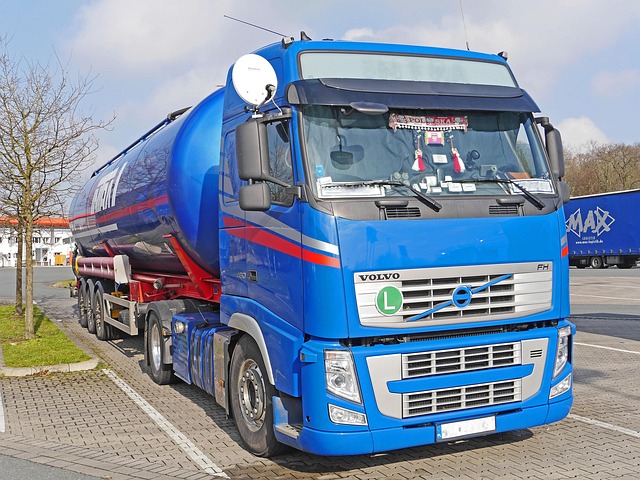
Locating your vehicle’s Vehicle Identification Number (VIN) is a crucial step in the car registration process in California. This unique 17-character code serves as a fingerprint for your vehicle, essential for verifying its identity and history during registration. It’s vital to ensure accuracy here, as errors or falsifications can lead to legal issues later. In California, VIN verification is typically conducted through a mobile vin verifier or during a vin inspection at a designated location.
Obtaining your VIN is straightforward but requires precision. Check the vehicle’s certificate of title, often found in the glove compartment, which displays the number clearly. Alternatively, locate the driver’s side dashboard, where a sticker might be affixed containing the VIN. Some older vehicles may have the VIN inscribed on permanent plates within the car’s body. If you’re still having trouble, consult your vehicle’s owner manual or contact a local DMV office for assistance.
In today’s digital age, many Californians opt for mobile vin verification services, which offer convenience and speed. These services utilize advanced technology to quickly capture and transmit your VIN data, streamlining the registration process. However, traditional vin inspections at DMV centers remain an option, particularly if you’re unsure about the vehicle’s history or have encountered potential issues during your initial checks. Ensure that any service you use is reliable and approved by the California DMV to guarantee a smooth registration experience.
Choosing an Approved Registration Agent or DMV Visit

When registering a car in California, choosing the right path for completing this essential task is crucial to avoid delays or legal issues down the line. One of the most important decisions involves selecting an approved registration agent or planning your visit to the Department of Motor Vehicles (DMV). This step ensures that your vehicle’s history is accurately verified, and all necessary documents are in order.
For many California residents, leveraging a mobile VIN inspection service or a trusted third-party verifier is a convenient and efficient option. These services provide on-site or remote vin verification, ensuring the integrity of your car’s information. By utilizing these modern tools, you can streamline the registration process, saving time and effort. For instance, some companies offer mobile vin inspection, allowing you to get crucial details checked right from your driveway, eliminating the need for an unnecessary trip to the DMV.
However, if you prefer a more direct approach, visiting a DMV field office remains an option. During your visit, be prepared to present key documents like proof of insurance, ownership records, and perhaps even historical vehicle records. Proper vin verification is paramount; ensure that your car’s unique identifier is accurately checked against state databases to prevent any discrepancies. Remember, maintaining accurate vehicle records is not just about registration—it contributes to California’s overall effort to combat auto theft and ensure road safety.
Completing the Registration Process and Obtaining Plates

Completing the registration process and obtaining plates is a crucial step after purchasing a vehicle in California. The first action is to ensure your Vehicle Identification Number (VIN) is verified. This critical step verifies the vehicle’s history and ensures it meets safety standards, among other things. In California, this VIN verification can be conducted through a mobile vin inspection or mobile vin verifier, providing convenience and speed for busy individuals. By using these services, you avoid lengthy visits to DMV offices and potentially save time and money.
After passing the VIN verification, the next step is to gather necessary documents. This includes proof of ownership, vehicle registration, insurance card, and identification. It’s important to double-check that all information is accurate and up-to-date. Once you have these in hand, you can proceed with the registration application at a California DMV office or online. Online registration is increasingly popular for its efficiency; however, some documents may still need to be physically submitted. Make sure your vehicle’s title is also updated to reflect any changes in ownership during the verification process.
Once approved, you’ll receive a registration certificate and license plates. The DMV will provide specific instructions on how and where to display these plates on your vehicle. It’s crucial to follow these guidelines diligently to avoid penalties. With your vehicle now officially registered, it’s time to explore California’s roads safely and legally. Remember that maintaining up-to-date registration is not only a legal requirement but also ensures you’re covered in case of any emergencies or accidents. Using mobile vin verification services can streamline this process, making registration as hassle-free as possible.
Registering a car in California involves several crucial steps, ensuring compliance with state requirements. Key takeaways include understanding the necessity of vin verification for accurate documentation, gathering all required documents, and choosing an approved registration method through an agent or direct DMV visit. Completing the process promptly enables you to obtain license plates, legally operating your vehicle on California roads. Always verify your vehicle’s VIN during the registration to guarantee a seamless and legitimate transaction.