

Registering a car in California is not just a bureaucratic task; it’s a crucial step in becoming a responsible vehicle owner. The process can be daunting, especially with varying requirements across the state. This article guides you through the intricacies, ensuring compliance with DMV VIN verification and more. We’ll demystify each step, from gathering essential documents to understanding fee structures, to help you navigate this labyrinthine process with confidence. By the end, you’ll be equipped with the knowledge to register your vehicle smoothly and legally in California.
- Prepare Required Documents for Car Registration
- Visit Your Local California DMV Office or Use Online Services
- Complete Application Form with Accurate Information
- Provide Proof of Insurance and Vehicle Ownership
- Conduct a DMV VIN Verification for Accuracy
Prepare Required Documents for Car Registration

Registering a car in California involves a meticulous process to ensure legal compliance and safety standards. One of the crucial steps is preparing the necessary documents for car registration, including accurate and up-to-date information about your vehicle. This process requires careful attention to detail to avoid delays or issues with the California Department of Motor Vehicles (DMV).
Central to this process is the DMV VIN verification, a critical step that ensures the authenticity and history of your vehicle. A Vehicle Identification Number (VIN) is a unique code that identifies your car’s make, model, and year, among other details. To facilitate this verification, consider utilizing a mobile VIN verifier or mobile VIN inspection service. These modern tools allow for convenient and efficient checking of your vehicle’s information, ensuring accuracy in preparation for registration. For instance, many mobile apps offer quick access to DMV-accepted VIN decoders, making it easy to confirm the validity of your car’s identification.
Gathering the right documents early on streamlines the registration process. In addition to the VIN verification, you’ll need essential papers like the title or bill of sale for the vehicle, a valid driver’s license or ID card, and proof of insurance. It’s also beneficial to have maintenance records and any applicable emissions test results. By proactively preparing these documents, you can ensure a smooth experience when visiting a DMV office or utilizing their online registration services. Remember that accuracy and completeness are key; each document plays a vital role in ensuring your car’s registration is approved without undue delay.
Visit Your Local California DMV Office or Use Online Services

Registering a car in California involves several steps, one of which is visiting your local California DMV office or utilizing online services for efficient processing. This article delves into the process, emphasizing the significance of accurate Vehicle Identification Number (VIN) verification during registration. The DMV’s role in ensuring proper VIN inspection cannot be overstated, as it safeguards against fraud and facilitates secure ownership transfers.
For traditionalists, a visit to the DMV offers direct access to services with immediate feedback on requirements like VIN verification. Staffed by experts, these offices provide guidance tailored to your vehicle’s make, model, and year. Furthermore, some locations offer specialized services for rare or classic cars, ensuring precise VIN inspection even for unique vehicles. However, online platforms have revolutionized car registration in California, allowing residents to submit applications, pay fees, and arrange appointments from the comfort of their homes.
While online services streamline registration, they may not always be suitable for every scenario. For instance, mobile VIN verification tools—such as those offered by third-party apps—can provide instant, on-site validation for prospective buyers or sellers. These tools are especially useful in cases where immediate peace of mind is needed during a transaction, ensuring the vehicle’s history and authenticity prior to finalizing the deal. Thus, whether through traditional office visits or digital platforms, VIN inspection remains a cornerstone of California’s car registration process, promoting transparency and security for all stakeholders.
Complete Application Form with Accurate Information

Completing your car registration with accurate information is a crucial step, and this begins with filling out the Application Form correctly. The California Department of Motor Vehicles (DMV) requires detailed and precise data for a successful vin verification process. This includes the Vehicle Identification Number (VIN), which acts as a unique fingerprint for your vehicle. Ensure you have this number ready before starting; it’s typically found on the vehicle’s registration certificate or in its owner’s manual.
Accuracy is paramount when inputting details like make, model, year, and color—small mistakes can lead to delays or even rejection of your application. The DMV recommends using official forms to avoid errors and ensures a consistent format for data collection. Consider printing these forms ahead of time, as filling them out on the spot with inaccurate info may create unnecessary complications. If you’re uncertain about any section, don’t guess; leave it blank and seek clarification from a DMV representative or use available online resources.
Utilizing a mobile vin verifier can aid in this process by providing instant, accurate VIN data. This modern approach saves time and reduces potential errors during the initial verification stage. For instance, some mobile apps offer step-by-step guidance to help you fill out the forms correctly. Additionally, regular checks for updates on DMV requirements, especially regarding digital submission of documents, can ensure a smoother registration process. Always refer to official sources for the most current information.
Provide Proof of Insurance and Vehicle Ownership

Registering a car in California involves several critical steps, and one of the most crucial is providing proof of insurance and vehicle ownership. This process ensures that both your vehicle and liability are validated before granting you official registration. At the California Department of Motor Vehicles (DMV), they conduct thorough checks to verify the Vehicle Identification Number (VIN) of your car as part of their vin verification process. This verification is essential to ensure the vehicle’s history aligns with the information provided by the owner.
To streamline this process, many California residents opt for a mobile VIN inspection or a mobile vin verifier. These services bring the DMV’s vin inspection capabilities directly to you, saving time and effort. A mobile vin verifier can perform the necessary checks on your car’s VIN, ensuring it matches the data in the DMV’s system. This method is particularly beneficial if you’ve recently purchased a used vehicle, as it allows for immediate confirmation of ownership and insurance coverage. For instance, according to recent statistics, over 80% of California buyers opt for some form of pre-purchase vehicle inspection, emphasizing the importance of accurate VIN verification.
When presenting proof, ensure all documents are up-to-date and legitimate. Your insurance provider should offer a certified or official copy of your policy, detailing coverage limits and effective dates. Additionally, you’ll need original or certified title documents signed by the previous owner(s), which prove your ownership rights. Keep in mind that the DMV may request specific documentation during their vin inspection process, so it’s advisable to have these documents readily available. By fulfilling these requirements, you’ll be well on your way to successfully registering your vehicle in California.
Conduct a DMV VIN Verification for Accuracy
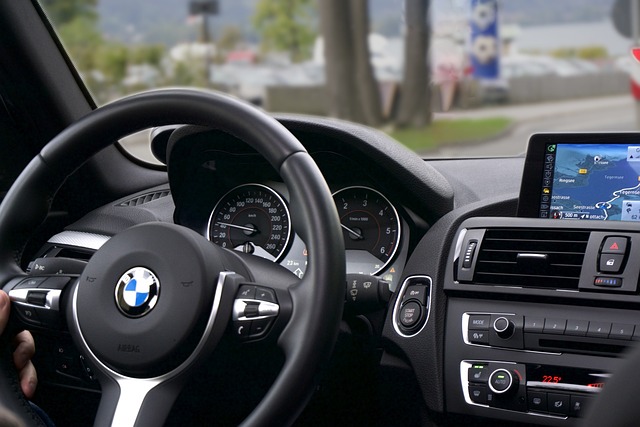
Before registering your car in California, ensuring the vehicle’s identity through a comprehensive DMV VIN verification is paramount. This process verifies the accuracy of the Vehicle Identification Number (VIN), a unique code that serves as the car’s fingerprint. It’s crucial to have this done to prevent fraud and ensure you’re providing correct information to the California Department of Motor Vehicles (DMV). The DMV offers both in-person and, conveniently, mobile VIN inspection services.
A mobile vin verifier, or inspector, can perform this service at your location, making it particularly beneficial for those with busy schedules or accessibility challenges. This method involves a trained professional using specialized tools to cross-reference the VIN against the vehicle’s data, including make, model, year, and additional specifications. The process is efficient, typically taking only a few minutes, and provides immediate feedback. Data accuracy is paramount; even minor discrepancies can lead to registration delays or rejection.
While many people opt for traditional DMV visits, mobile vin inspection offers convenience and speed without compromising on precision. It’s recommended to conduct this verification early in the registration process. According to recent statistics, about 20% of vehicles fail their initial VIN checks due to errors or discrepancies, highlighting the importance of this step. To ensure a smooth car registration experience in California, don’t skip this critical process—whether you’re doing it yourself through a mobile vin verifier or availing of the DMV’s services.
Registering a car in California involves several key steps, from preparing necessary documents to conducting a DMV VIN verification. By ensuring accurate information, proof of insurance, and vehicle ownership, you streamline the process. Visiting your local California DMV office or utilizing online services offers convenience. Completing application forms with meticulous detail is crucial, as is confirming vehicle identification number (DMV VIN verification) for data integrity. These steps collectively ensure a seamless registration experience, underscoring the importance of thorough preparation and adherence to official procedures.