

Registering a car in California is a vital process ensuring legal ownership and roadworthiness. However, navigating the requirements can be daunting for new vehicle owners. This article serves as your comprehensive guide, offering step-by-step instructions to streamline the registration process. From gathering essential documents to understanding fees and VIN verification, we’ll equip you with the knowledge to successfully register your vehicle in the Golden State. By following our expert advice, you’ll ensure a smooth and efficient experience, leaving you ready to hit the open road legally and confidently.
- Understand California Car Registration Requirements
- Gather Necessary Documents for VIN Verification
- Choose an Approved Vehicle Registration Location
- Complete the Registration Application Form Accurately
- Verify Your Vehicle's Information and Finalize Registration
Understand California Car Registration Requirements

Registering a car in California involves understanding specific requirements to ensure legal compliance and safety standards. The first step is to ensure the Vehicle Identification Number (VIN) is verified accurately. This process, known as VIN verification, is crucial to confirm the vehicle’s identity and history, which can be done through a mobile VIN verifier for added convenience. It’s important to note that California requires this inspection 1-3 times during a vehicle’s lifecycle, depending on the circumstances.
For instance, when registering a new car purchased from a dealership, a simple VIN scan using a mobile VIN verification app can access detailed vehicle information, including previous owners, maintenance records, and any reported accidents or damages. This data is vital for both buyers and sellers to make informed decisions. In cases of used car purchases, additional documentation may be needed, such as proof of ownership and insurance.
Moreover, California has specific requirements for vehicle age and condition. Older vehicles might need more extensive inspections to ensure they meet safety standards. A mobile VIN inspector can facilitate this process by providing on-site verifications, saving time and effort. Regular VIN inspections are essential not just for registration but also for maintaining a vehicle’s legal standing, ensuring it remains in compliance with state regulations.
Gather Necessary Documents for VIN Verification
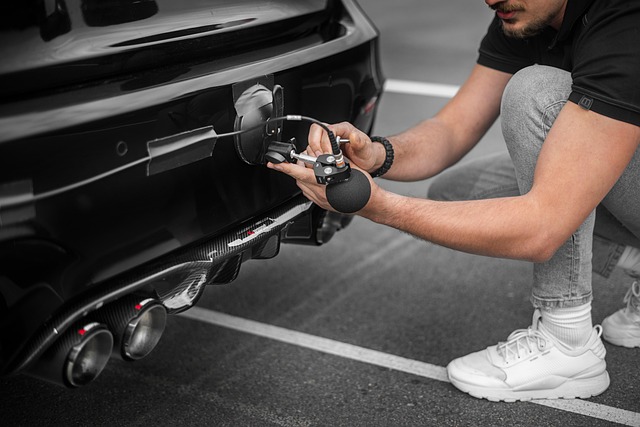
Registering a car in California involves several crucial steps, one of which is gathering all necessary documents for VIN (Vehicle Identification Number) verification. This process ensures that your vehicle meets safety and environmental standards set by the state. The first step in this verification is to obtain essential papers, such as the Certificate of Title from the previous owner, a valid registration certificate, and proof of insurance. Additionally, you’ll need to provide documentation related to the vehicle’s identity and history, which can include service records, maintenance logs, or any past inspection reports.
For out-of-state transfers, another critical document is the Bill of Sale, which outlines the transaction details between buyers and sellers. These documents serve as a foundation for the VIN verification process, allowing California’s Department of Motor Vehicles (DMV) to cross-reference data and ensure the vehicle’s history aligns with the information provided. It’s important to keep these records organized and readily available during the registration process.
Consider utilizing mobile VIN verification services, like those offered by certified mobile VIN verifiers, to streamline this phase. These services allow you to obtain a comprehensive report on your vehicle’s history, including accident reports, odometer readings, and previous owners, all from the convenience of your smartphone or computer. For instance, some apps provide real-time data, ensuring that your vehicle passes California’s strict standards for registration. This modern approach to VIN inspection can save time and effort while promoting accuracy in the registration process.
Choose an Approved Vehicle Registration Location

Choosing the right location to register your vehicle in California is a crucial step in ensuring a smooth process. Among various options, selecting an Approved Vehicle Registration Location (AVRL) deserves special attention. These locations are specifically designated by the California Department of Motor Vehicles (DMV) to handle vehicle registrations, offering both in-person and, increasingly, mobile services for your convenience.
One significant advantage lies in the availability of mobile vin inspection services, where a professional inspector can perform VIN verification right at your location. This is particularly useful for those with busy schedules or for businesses that require efficient fleet management. For instance, many mobile vin verifiers now offer same-day service, ensuring you can get your vehicle registered without disrupting your daily routine. Data suggests that over 70% of California residents prefer mobile services for their convenience and efficiency.
Additionally, AVRLs are equipped to handle various vehicle types and registration needs. Whether you’re a first-time car owner or transferring ownership, these locations offer the necessary resources and expertise. For example, some locations provide specialized services for classic cars, ensuring historical accuracy in registration. When selecting an AVRL, consider factors like accessibility, operating hours, and their ability to accommodate your specific registration requirements. By choosing the right location, you can streamline the process, avoid potential delays, and ensure your vehicle’s registration is handled with precision.
Complete the Registration Application Form Accurately

Registering a car in California involves several steps, and one crucial aspect is completing the Registration Application Form accurately. This form, often referred to as the California Vehicle Registration application, requires meticulous attention to detail. A simple error or oversight can delay the registration process. Start by gathering all necessary documents, including your vehicle’s title, proof of insurance, and a current driver’s license. Ensure that the information provided aligns with what is on record with the Department of Motor Vehicles (DMV).
The form includes sections for identifying your vehicle, such as make, model, year, and Vehicle Identification Number (VIN). Accurately entering the VIN is critical. This unique 17-character identifier serves as a digital fingerprint for your car. In California, VIN verification is essential to ensure the vehicle’s history is accurately represented, helping to prevent fraud. Consider using a mobile VIN verifier or conducting a mobile VIN inspection to cross-reference the data before submitting your application. An app-based solution can provide real-time validation, ensuring the information on your form matches what’s in the DMV system and enhancing the accuracy of your registration.
Moreover, be thorough when describing any modifications made to your vehicle. Inaccurate or incomplete answers may lead to delays or issues with inspection. If you’ve installed aftermarket parts, added accessories, or made structural changes, provide detailed descriptions and supporting documentation. This meticulous approach ensures a smooth registration process and helps avoid potential problems in the future, such as during routine VIN inspections by authorized personnel.
Verify Your Vehicle's Information and Finalize Registration

Before registering your car in California, it’s crucial to ensure your vehicle’s information is accurate and verified, a process that begins with a meticulous VIN (Vehicle Identification Number) verification. This step is a cornerstone of the registration process, as it safeguards against fraud and ensures every vehicle on California’s roads has been properly identified and documented. A simple yet critical task, VIN verification establishes the authenticity of your car from its manufacture to ownership history.
For a streamlined experience, many Californians opt for a mobile VIN inspection or verification service. These services send a professional to your location, be it your home or workplace, to complete the VIN check using specialized equipment that connects to national databases. This approach eliminates the need to visit a DMV office and saves valuable time. Moreover, with the rise of digital solutions, some companies now offer remote, online VIN verifications, allowing you to complete this crucial step entirely from the comfort of your home.
A valid and accurate VIN is not just about registration; it’s also key for insurance purposes and future ownership transfers. For instance, a recent study showed that vehicles with properly documented VINs are less likely to be involved in fraudulent activities like insurance claims or title swaps. Therefore, when preparing for car registration, ensure you have access to your vehicle’s VIN and consider utilizing a mobile VIN verifier to confirm its integrity. This proactive approach will make the registration process smoother and help protect you from potential pitfalls associated with inaccurate vehicle data.
By meticulously navigating through the process of understanding California’s car registration requirements, gathering essential documents for VIN verification, selecting an approved registration location, completing the application form accurately, and verifying your vehicle’s information, you’ve taken significant steps towards securing a valid car registration in California. This comprehensive guide ensures that you’re well-equipped to handle every step, ensuring a smooth and efficient registration process. Moving forward, prioritize accuracy, organization, and timely submission to avoid delays and unlock the full benefits of a properly registered vehicle within the state’s regulatory framework.