

Looking to register your car in California? This comprehensive guide walks you through the process, ensuring a smooth experience. From understanding key requirements like vehicle eligibility and DMV fees, to gathering essential documents and verifying your Vehicle Identification Number (VIN) with a reliable dmv VIN verifier, each step is clearly explained. Discover the efficiency of online services or visit a local office, and be ready to hit the road legally!
- Understand California Vehicle Registration Requirements
- Gather Necessary Documents for Car Registration
- Visit a DMV Office or Use Online Services
- Verify Vehicle Identification Number (VIN) Accuracy
- Complete and Submit the Registration Application
Understand California Vehicle Registration Requirements

Before registering your vehicle in California, it’s crucial to understand the state’s specific requirements for vehicle identification number (VIN) verification. The California Department of Motor Vehicles (DMV) mandates that all vehicles entering the state undergo a VIN inspection to ensure they meet safety and environmental standards. This process involves validating the vehicle’s history using its unique VIN, which can be done through various methods, including a mobile VIN verifier or a traditional inspection at a DMV office.
The use of a mobile VIN verifier is an efficient way to expedite the registration process. These tools allow for remote verification, enabling you to check your vehicle’s history and identify any potential issues from the comfort of your home or even while on the go. In light of this, many California residents opt for a mobile vin inspection as it saves time and effort compared to visiting a DMV center.
Gather Necessary Documents for Car Registration
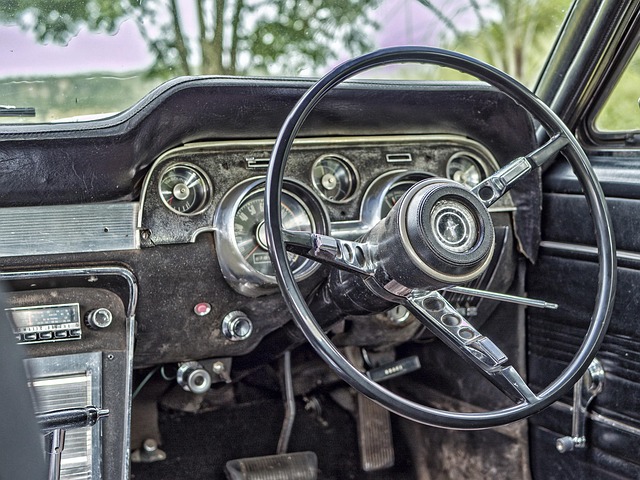
Before heading to the California Department of Motor Vehicles (DMV) to register your car, make sure you have all the essential documents in order. The process will be smoother if you’ve already gathered everything needed. Key among these is the Vehicle Identification Number (VIN) verification, which can be efficiently completed using a mobile VIN verifier or through an online service. This step ensures that your vehicle’s details match those on file with the DMV.
Along with the VIN verifier results, prepare your car’s title, proof of insurance, and current registration (if applicable). You’ll also need valid identification documents such as a driver’s license or passport. Additionally, be prepared to pay the registration fees, which can vary based on factors like the type of vehicle and emissions standards met. Having these documents ready will help speed up the car registration process at the DMV.
Visit a DMV Office or Use Online Services

Registering a car in California involves an important step of verifying your vehicle’s unique identifier – the Vehicle Identification Number (VIN). You have two convenient options to complete this process. One is to visit a local Department of Motor Vehicles (DMV) office, where you can meet with an agent who will assist with VIN verification and other registration formalities. Alternatively, California’s DMV offers online services that allow you to register your car remotely. Using a mobile vin verifier or conducting a vin inspection through the DMV website streamlines the process, making it accessible from the comfort of your home.
If you opt for the online route, a digital vin verifier can help ensure the accuracy of your VIN data by cross-referencing it with state records. This method, coupled with an efficient mobile vin inspection, can significantly speed up the registration timeline and save you a trip to the DMV. Remember to check the eligibility criteria for online registration and gather all necessary documents beforehand for a smooth car registration experience in California.
Verify Vehicle Identification Number (VIN) Accuracy

Before registering your car in California, it’s crucial to ensure the Vehicle Identification Number (VIN) is accurate. This unique 17-character code is a critical component of your vehicle’s history and identifying information. Verify the VIN by checking the DMV’s (Department of Motor Vehicles) online tools or using a trusted mobile vin verification service to confirm its validity.
A mobile vin verifier can conduct a thorough inspection, cross-referencing the number against extensive databases to ensure it matches the manufacturer records. This step is essential as an incorrect VIN can lead to registration issues and potential legal complications. Always opt for official channels or reputable third-party services for this critical verification process.
Complete and Submit the Registration Application

To begin registering your car in California, you’ll need to complete and submit the Registration Application form, available from the Department of Motor Vehicles (DMV). This process is designed to ensure that all vehicles on California roads are properly documented and safe. Fill out the application accurately, providing detailed information about your vehicle, including its make, model, year, and unique Vehicle Identification Number (VIN).
The VIN is a crucial piece of data used by the DMV for verification purposes. Consider using a reliable mobile vin verifier or performing a mobile vin inspection to ensure that your vehicle’s VIN is accurate and legitimate before submitting your application. This step helps prevent fraud and ensures that you’re providing correct information, streamlining the registration process as a result.
Registering your car in California is a straightforward process that requires understanding specific requirements and gathering essential documents. By visiting a DMV office or utilizing online services, you can efficiently complete the registration. Verifying the Vehicle Identification Number (VIN) accuracy using a trusted DMV VIN verifier ensures a smooth experience. Following the steps outlined in this guide, including completing the registration application, will have your vehicle legally registered in no time.